
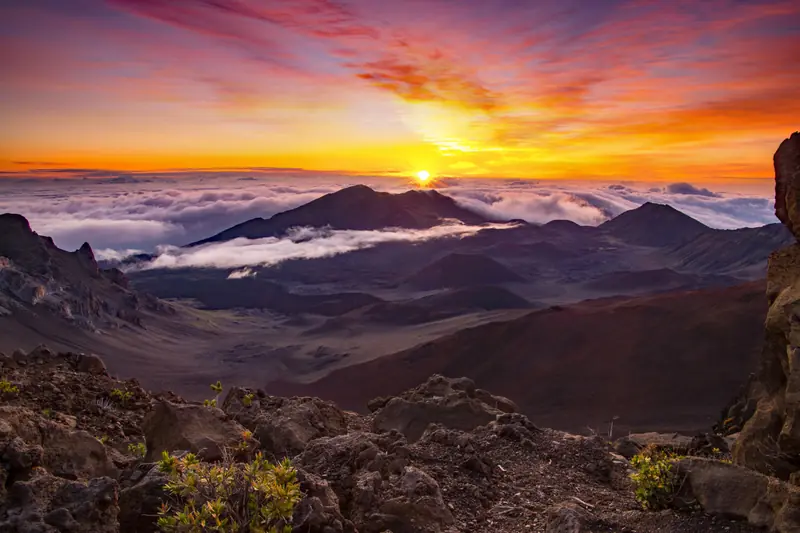
Maui packs an extraordinary range into one island: a 10,023-foot volcano, rainforest waterfalls, black and golden sand beaches, and some of the best whale watching in the world. Whether it’s your first visit or your fifth, these are the experiences we recommend most often to the guests we welcome with a Maui airport lei greeting at Kahului Airport.
1. Watch the sunrise from Haleakalā
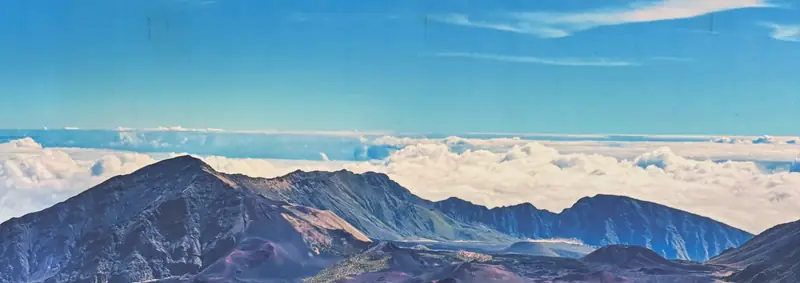
Watching the sun rise above a sea of clouds from the summit of Haleakalā, at 10,023 feet, is one of Maui’s most memorable experiences. A sunrise reservation is required year-round for each vehicle entering the summit area between 3 am and 7 am. It costs $1 on Recreation.gov, and tickets are released 60 days and 2 days ahead at 7 am Hawaiʻi time. The park entrance fee is separate: $30 per private vehicle, valid for three days.
Bring warm layers: temperatures at the summit can drop to near freezing before dawn. If you’d rather sleep in, sunset at the summit is just as beautiful and needs no reservation.
2. Drive the Road to Hāna
The Hāna Highway winds about 64 miles from Kahului along Maui’s lush northeast coast, with roughly 620 curves and 59 bridges, most of them one lane wide. The drive itself is the attraction: waterfalls, rainforest, ocean lookouts and banana bread stands along the way.
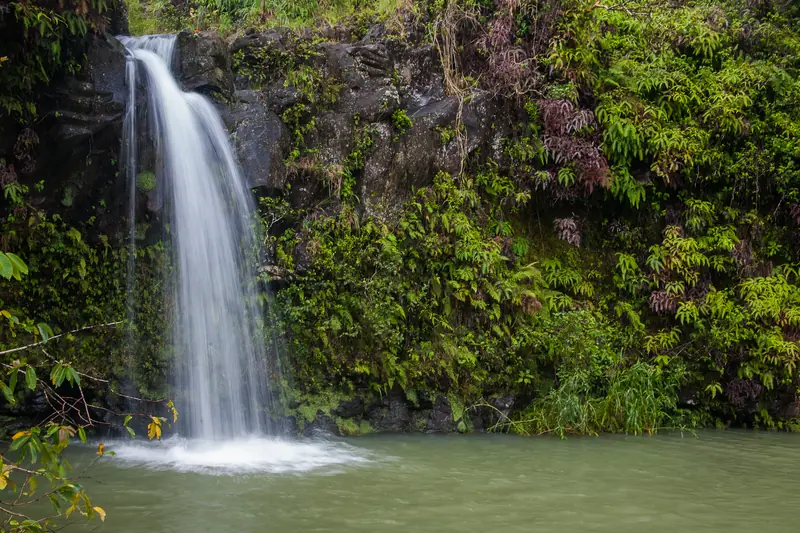
Start early and allow a full day. Pull over only at legal turnouts, let faster local drivers pass, and respect “kapu” (keep out) and private property signs. If you plan to stop at Waiʻānapanapa, book that reservation before you go.
3. Visit Waiʻānapanapa State Park
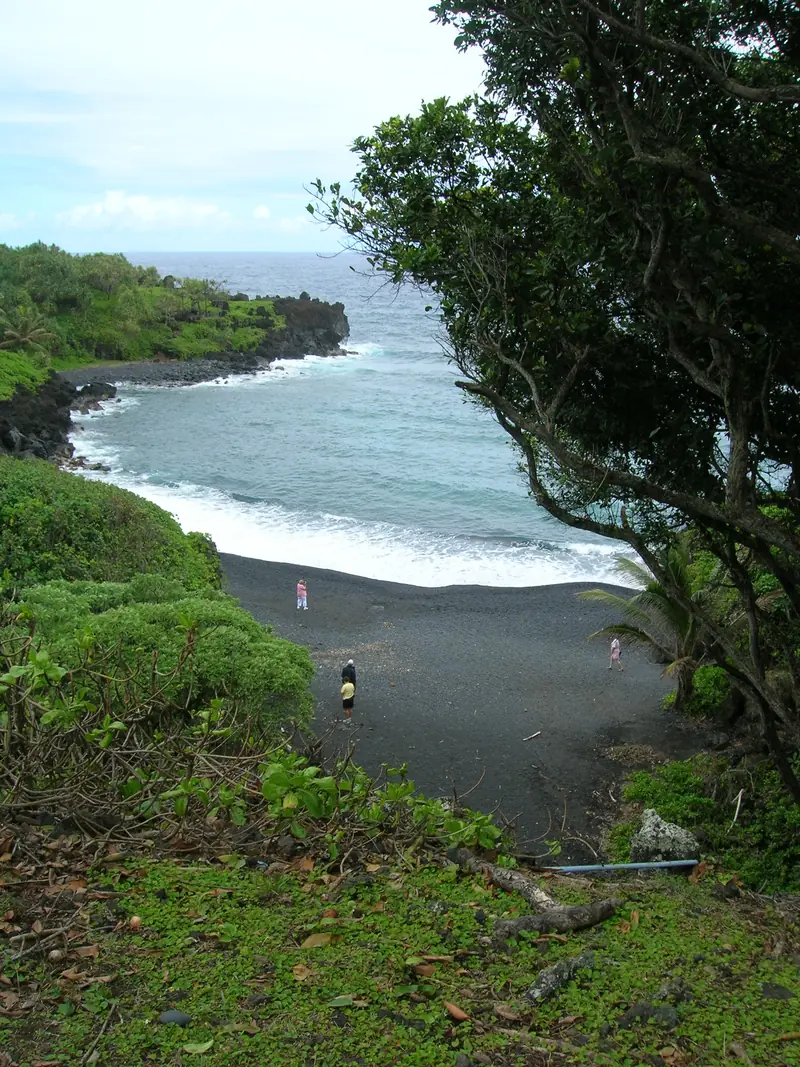
Near Hāna, Waiʻānapanapa is known for its black sand beach, sea caves, lava rock arches and coastal trail. Visitors from out of state need a reservation, which also covers a timed entry. Non-resident fees are $5 per person for entry and $10 per vehicle for parking.
4. Snorkel at Molokini
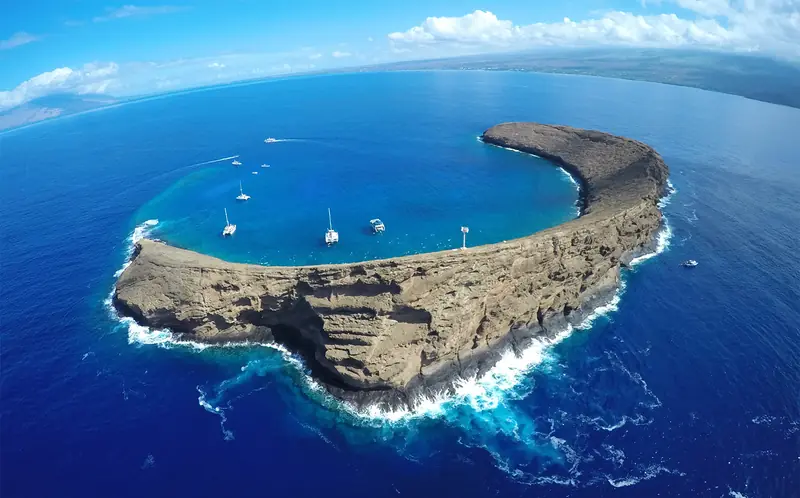
Molokini is a partly submerged, crescent-shaped volcanic crater off Maui’s south coast. Its protected waters are a Marine Life Conservation District, with excellent visibility and plenty of reef fish. Snorkel and dive boats leave from Māʻalaea and Kīhei, and mornings usually bring the calmest water.
5. Go whale watching
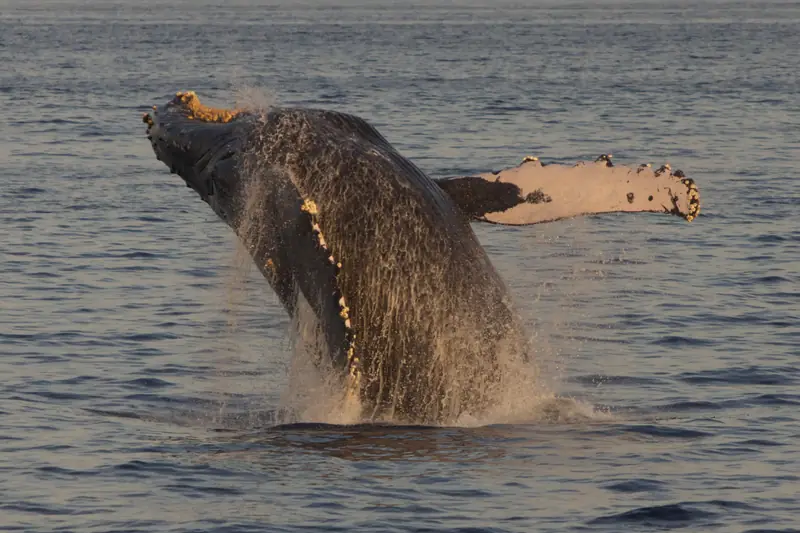
Each winter, humpback whales travel to Hawaiʻi to mate and give birth, and the waters around Maui are part of the Hawaiian Islands Humpback Whale National Marine Sanctuary. Whales are usually seen from about December to May, with the peak from January to March. You can join a boat tour, or watch from shore along Maui’s west and south coasts.
6. Explore ʻĪao Valley State Monument
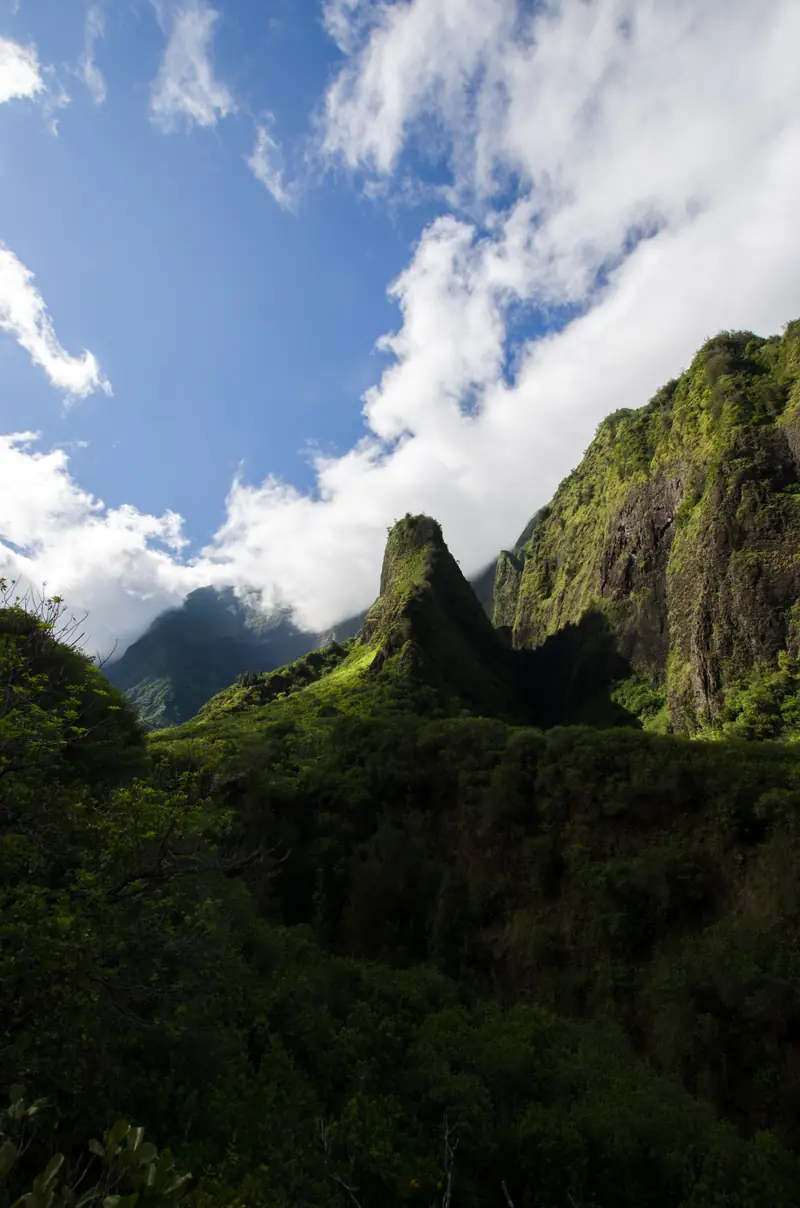
A short drive from Kahului, ʻĪao Valley is home to the ʻĪao Needle, a green-mantled rock pinnacle that rises about 1,200 feet from the valley floor. The valley is also deeply significant in Hawaiian history as the site of the 1790 Battle of Kepaniwai. Non-residents need a reservation, with the same fees as Waiʻānapanapa.
7. See sea turtles at Hoʻokipa
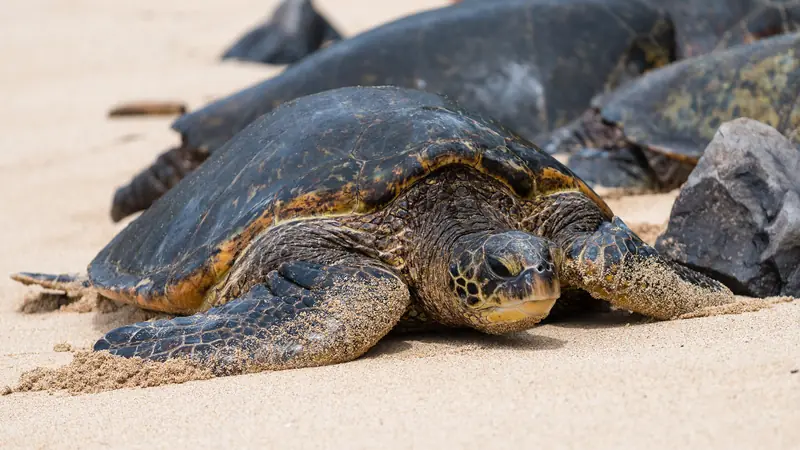
Just past Pāʻia on the north shore, Hoʻokipa Beach Park is famous for world-class surfing and windsurfing, and for the green sea turtles that haul out onto the sand to rest, usually in the late afternoon. Please give them space: stay at least 10 feet away and never touch or feed them.
8. Spend a day on Kāʻanapali Beach
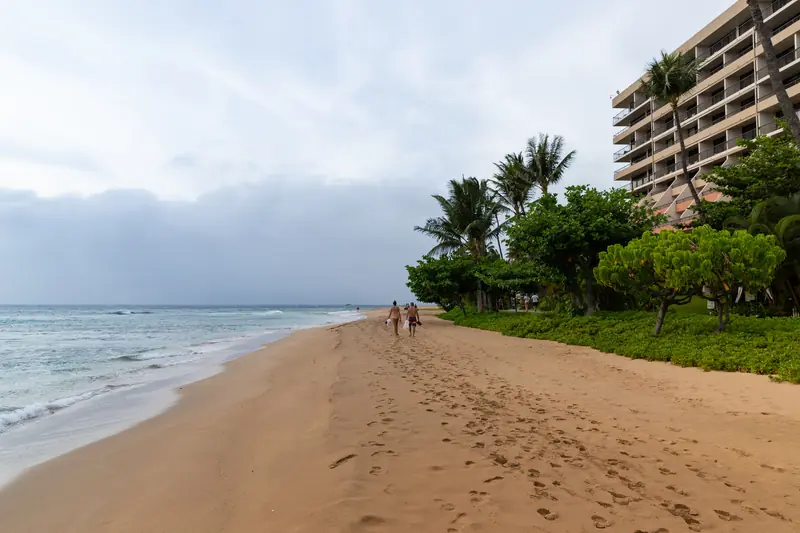
West Maui’s Kāʻanapali Beach stretches for about three miles in front of resorts, restaurants and a beachfront walkway. Snorkelers head for Puʻu Kekaʻa (Black Rock) at the north end, and the sunsets toward Lānaʻi and Molokaʻi are reason enough to stay into the evening.
9. Visit Maui Ocean Center
In Māʻalaea, Maui Ocean Center focuses on the marine life of Hawaiʻi, with reef exhibits, sea turtles and an open-ocean tank you walk through. It’s a good choice for families and for a rainy or windy day.
10. Explore Upcountry Maui
On the cooler slopes of Haleakalā, Kula and Makawao feel a world away from the beaches. Expect farm stands, lavender fields, sweeping views over the isthmus, and Makawao’s paniolo (Hawaiian cowboy) heritage. Combine it with a trip to the summit.
11. Stroll through Pāʻia
The north shore town of Pāʻia is a relaxed stop for cafés, boutiques and galleries, and it’s the gateway to Hoʻokipa and the Road to Hāna. Arrive early, since parking fills quickly.
12. Snorkel Honolua Bay in summer
On Maui’s northwest coast, Honolua Bay is a Marine Life Conservation District with healthy reef and abundant fish. It’s best for snorkeling in the calmer summer months; in winter, big surf often makes the water rough and cloudy.
13. Relax on the beaches of Wailea and Mākena
South Maui is known for sunny weather and golden beaches. Wailea’s crescent beaches are linked by a coastal path, and Mākena State Park’s Big Beach is one of the island’s most impressive stretches of sand. Take care at Big Beach: its shorebreak can be powerful.
14. Experience a lūʻau
A lūʻau brings together Hawaiian food, music and hula, often with an ocean sunset. Maui has several, mostly in the resort areas of West and South Maui. They are popular, so book ahead.
15. Support West Maui’s recovery
Lahaina is still rebuilding after the August 2023 wildfire. Front Street reopened to traffic in August 2026, and many West Maui restaurants, shops and tour operators are welcoming visitors again. Spend time and money at the businesses that have reopened, follow posted access rules, and treat the burn area as a place of loss rather than a sightseeing stop.
Frequently asked questions
What is the most popular attraction on Maui?
Haleakalā National Park and the Road to Hāna are two of Maui’s most popular attractions. Watching the sunrise from Haleakalā’s summit needs a reservation, while the Road to Hāna is best as an early start with a full day set aside.
Do I need a reservation to see the sunrise at Haleakalā?
Yes. A $1 sunrise reservation from Recreation.gov is required for each vehicle entering the summit area between 3 am and 7 am, in addition to the park entrance fee of $30 per private vehicle.
When is whale season on Maui?
Humpback whales are usually seen from about December to May, with the most sightings from January to March.
Is Lahaina open to visitors?
Parts of Lahaina are open. Front Street reopened to traffic in August 2026, and many West Maui businesses have reopened. Rebuilding continues, so follow posted access rules and visit respectfully.
How far are these places from Kahului Airport?
ʻĪao Valley, Pāʻia and Hoʻokipa are a short drive from the airport, Wailea takes about 30 minutes and Kāʻanapali about 45 to 55 minutes, the Haleakalā summit about 1.5 to 2 hours, and Hāna about 2.5 to 3 hours without stops. See our arrival guide.

.jpg)
.jpg)


.jpg)

.jpg)