
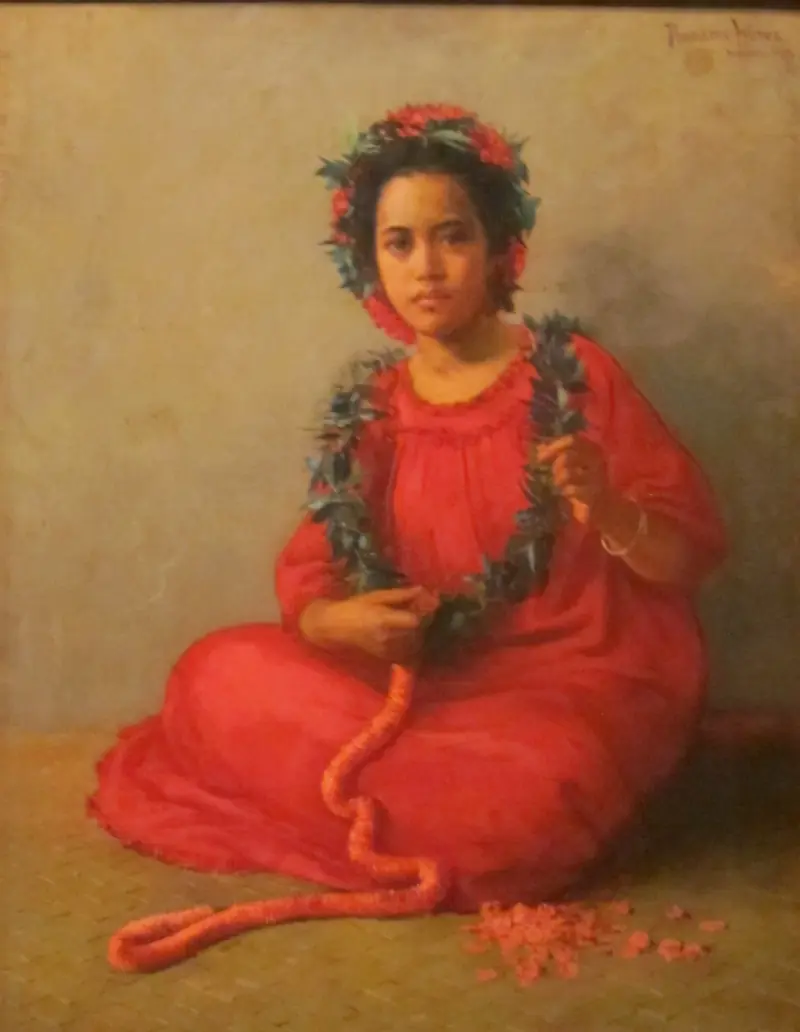
A lei is a garland of flowers, leaves, shells, seeds or feathers, given in Hawaiʻi as an expression of aloha: love, friendship, honor and welcome. Some lei last only a day; others are kept for a lifetime. Here are the lei you’ll see most often in the islands, and what makes each one special.
The most popular lei at a glance
| Lei | Known for | Often given for |
|---|---|---|
| Orchid | Vivid color, sturdy, light scent | Greetings, graduations, celebrations |
| Plumeria | Sweet fragrance, the classic island flower | Welcomes and everyday aloha |
| Tuberose | Rich, heady fragrance | Weddings and special occasions |
| Pikake | Delicate white jasmine, prized scent | Brides and romantic occasions |
| Maile | Open-ended leafy vine, sacred and fragrant | Grooms, graduations, blessings |
| Kukui nut | Polished nuts, a lasting keepsake | Men, graduations, keepsakes |
| Shell | Tiny shells, strung by hand | Keepsakes and heirlooms |
Flower lei
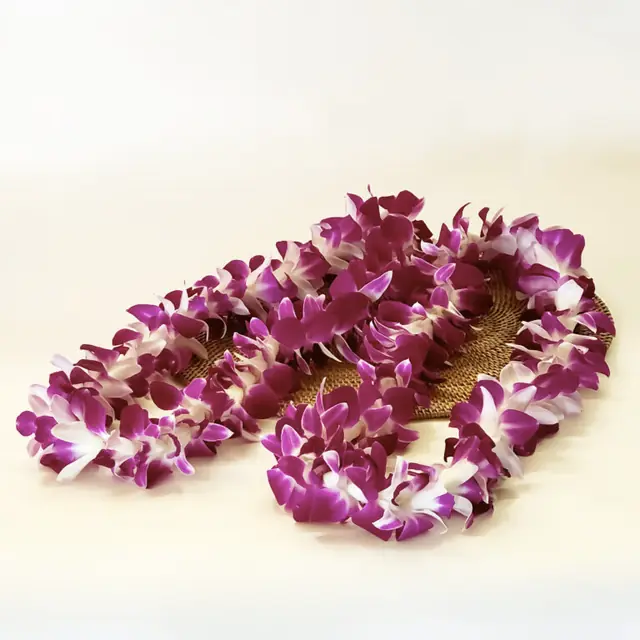
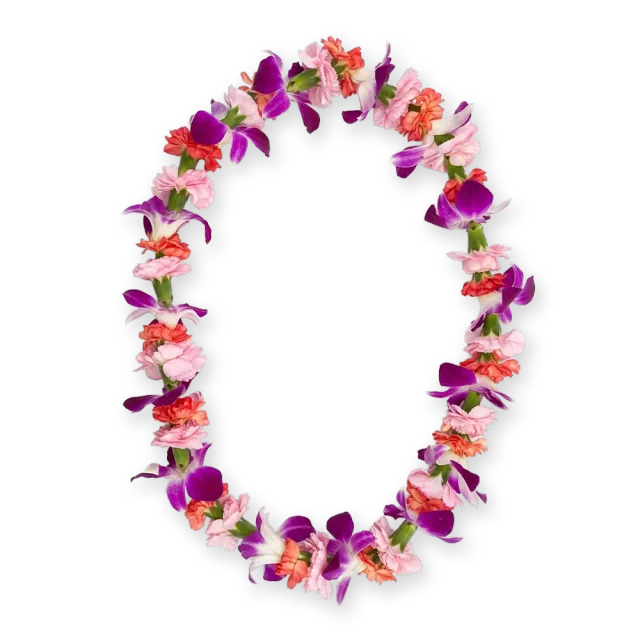
Orchid lei
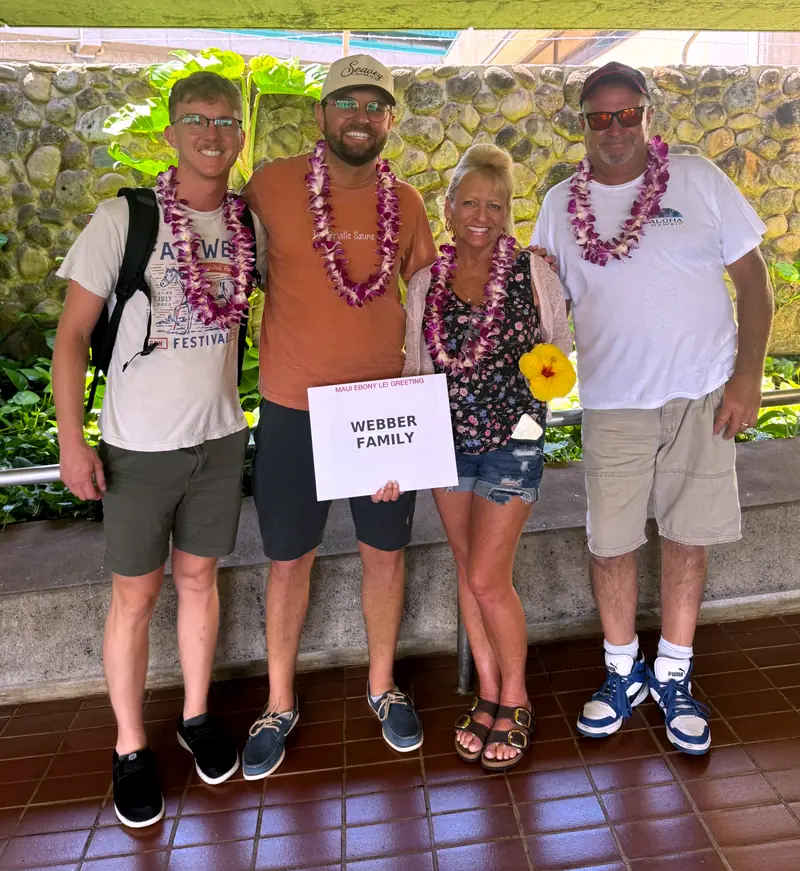
Orchid lei, usually made from dendrobium orchids, are the lei most visitors receive on arrival. They hold their color and shape well, have only a light scent, and can stay beautiful for several days with a little care, which makes them ideal for travelers. Our standard lei is a classic single-flower orchid lei.
Plumeria lei
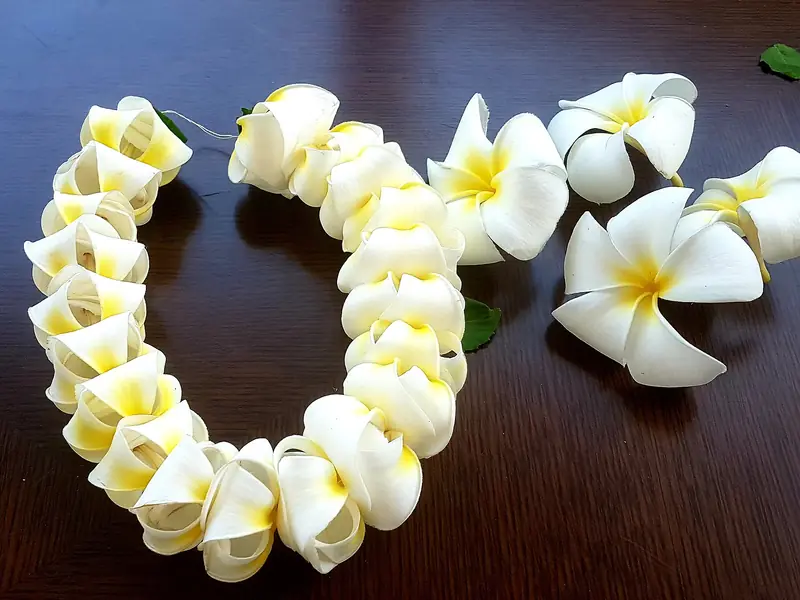
Few scents say Hawaiʻi like plumeria. Its soft, sweet fragrance and creamy white, yellow or pink petals make it one of the most recognizable lei in the islands. The flowers are delicate, so a plumeria lei is best enjoyed on the day it’s made.
Tuberose lei
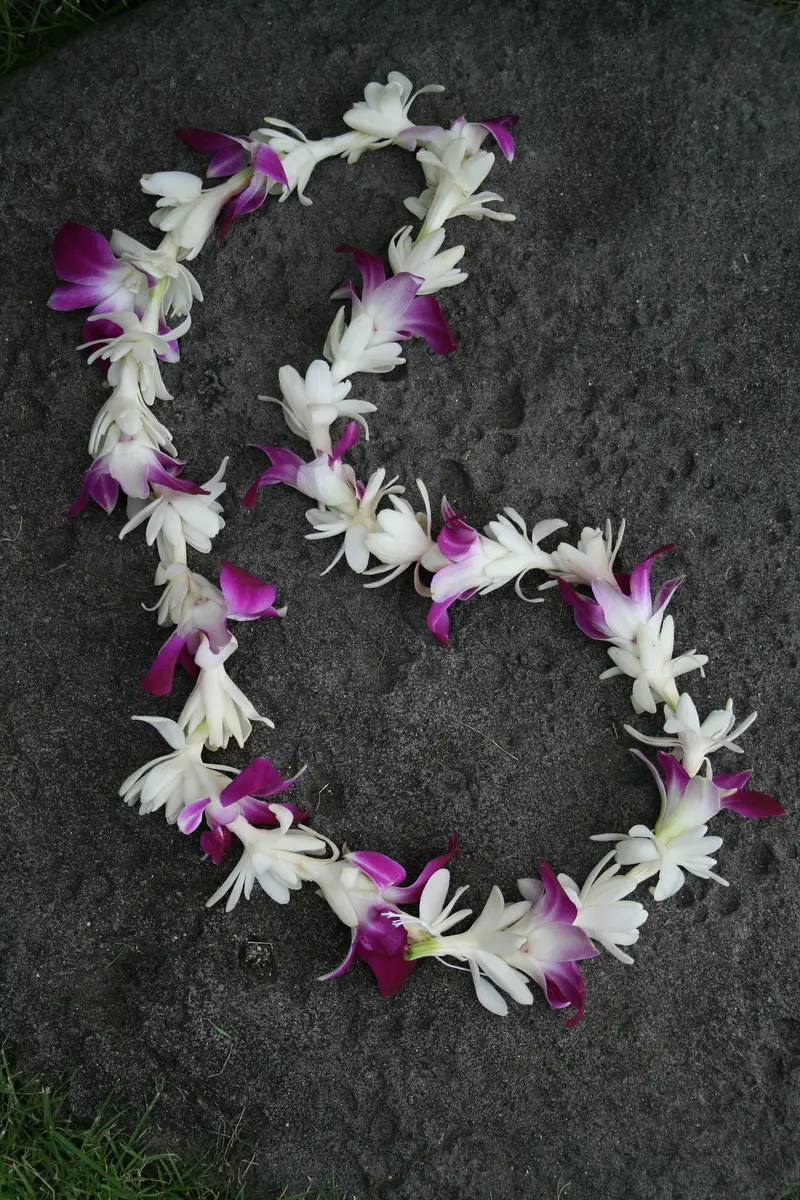
Tuberose has one of the richest fragrances of any lei flower, and it’s often worn at weddings and formal occasions, sometimes paired with other flowers.
Pikake lei
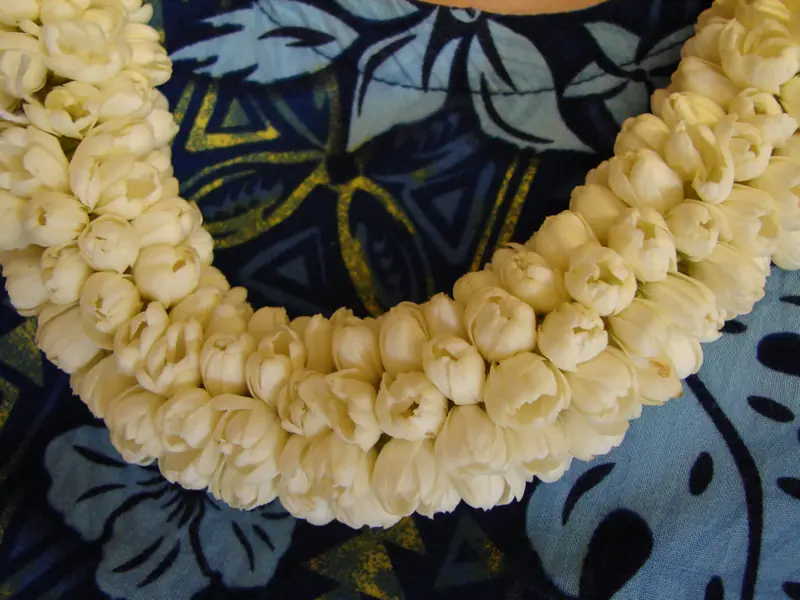
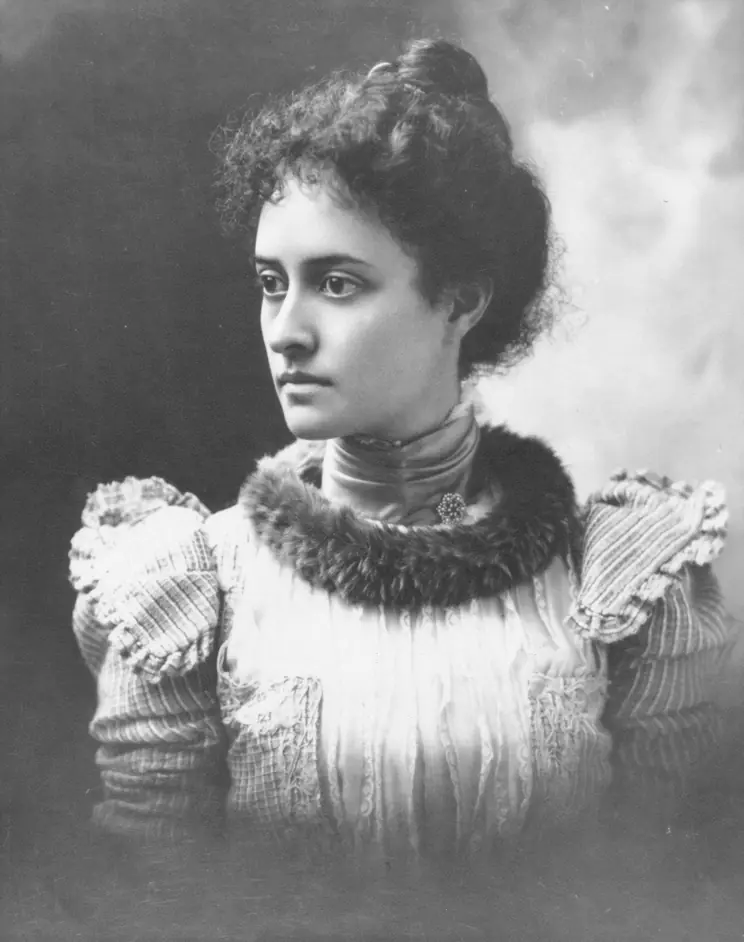
Pikake, a small white Arabian jasmine, is treasured for its delicate scent. Its Hawaiian name means peacock: Princess Kaʻiulani loved both the flower and her peacocks. Strands of pikake are a favorite for brides.
Crown flower lei
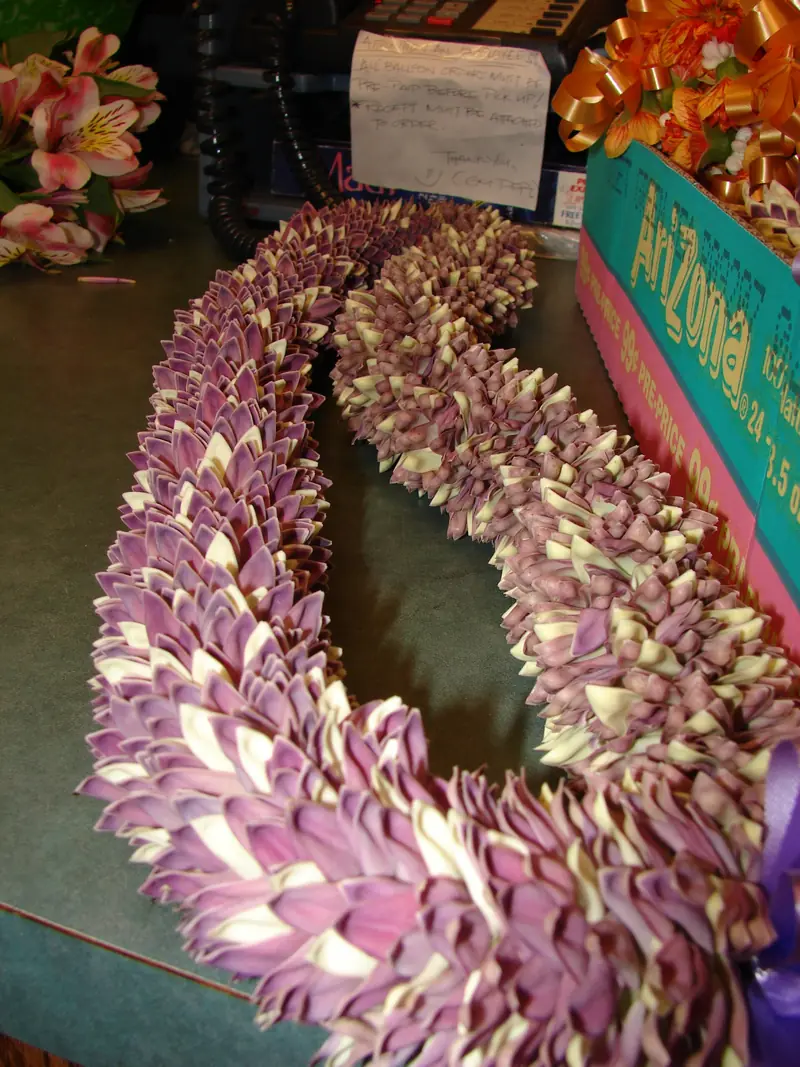
Lavender or white crown flowers, folded and strung into geometric patterns, are known as the favorite lei of Queen Liliʻuokalani.
Leaf, seed and shell lei
Maile lei
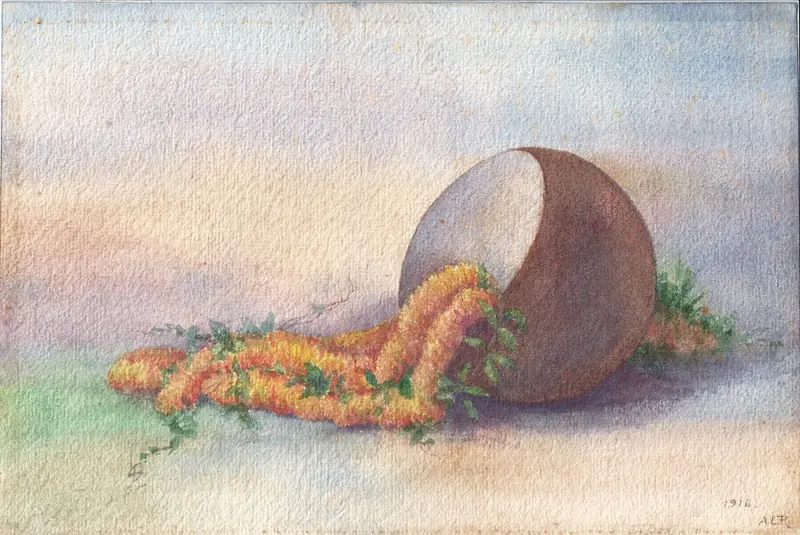
Maile is a fragrant native vine, and maile lei are worn open-ended, draped around the shoulders rather than tied. Long associated with honor and blessing, maile is a traditional choice for grooms and graduates.
Ti leaf lei
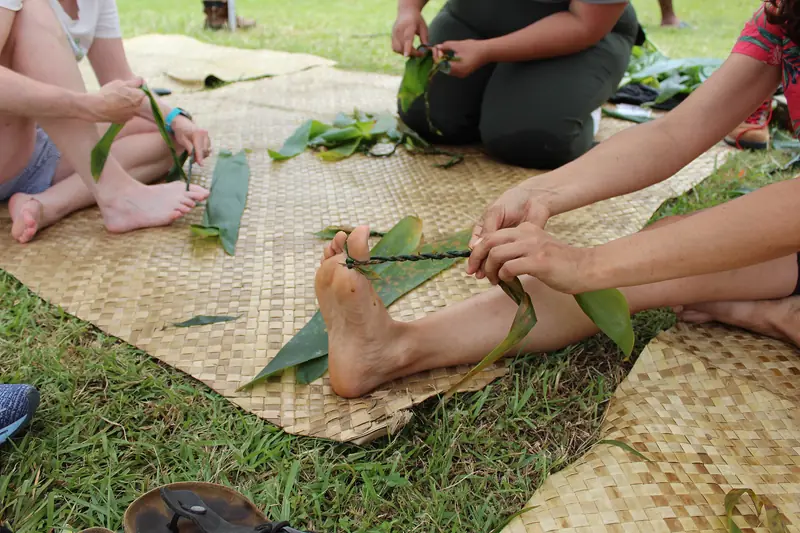
Lei made from ti leaves (lāʻī) are twisted or braided into a rope. Ti has long been associated with protection and good fortune in Hawaiian culture.
Kukui nut lei
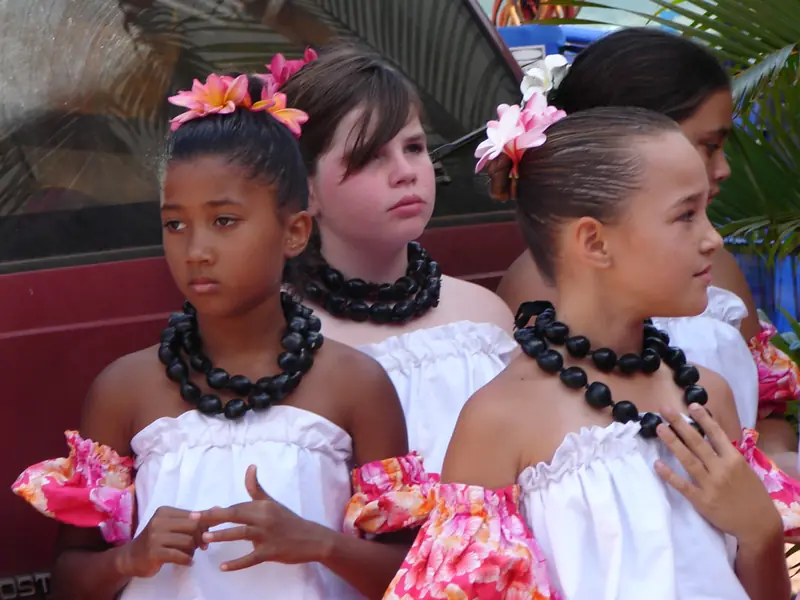
Polished kukui nuts make a lei that lasts for years. The kukui is Hawaiʻi’s state tree, and kukui lei are popular with men and as keepsakes. They’re also a good alternative for anyone with a flower allergy.
Shell lei
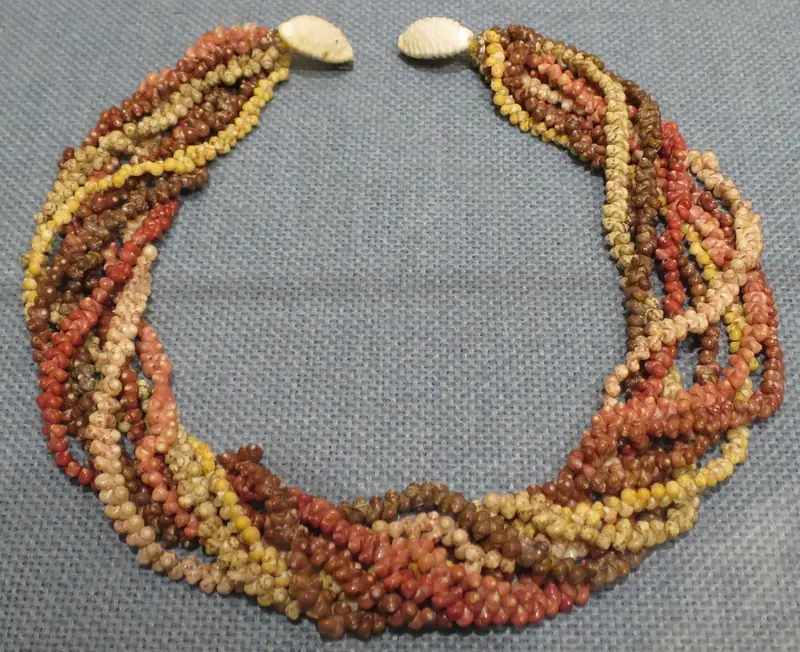
Shell lei are strung by hand from tiny shells. The finest, from the island of Niʻihau, are among the most valuable lei in Hawaiʻi and are handed down as heirlooms.
Feather lei and head lei
Feather lei (lei hulu)
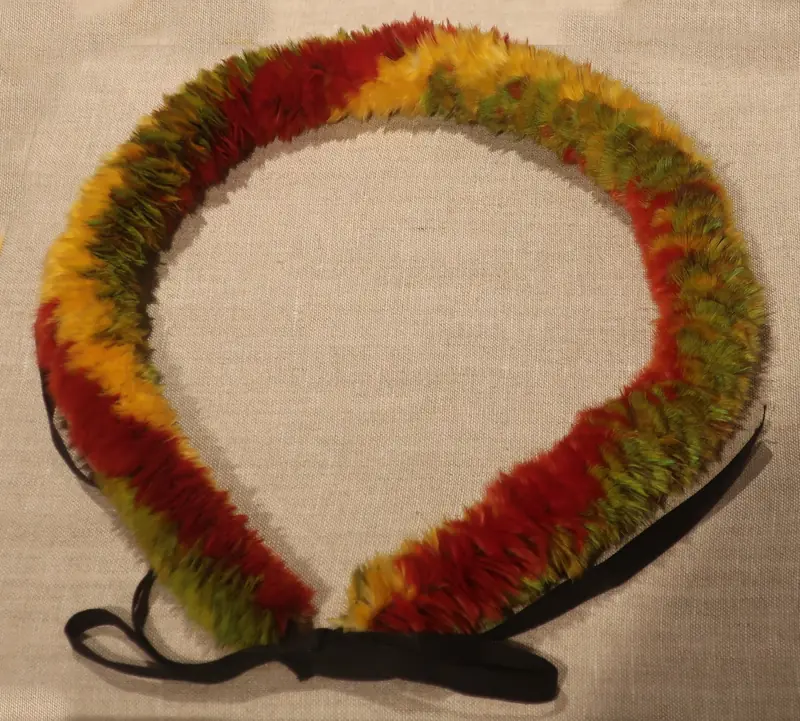
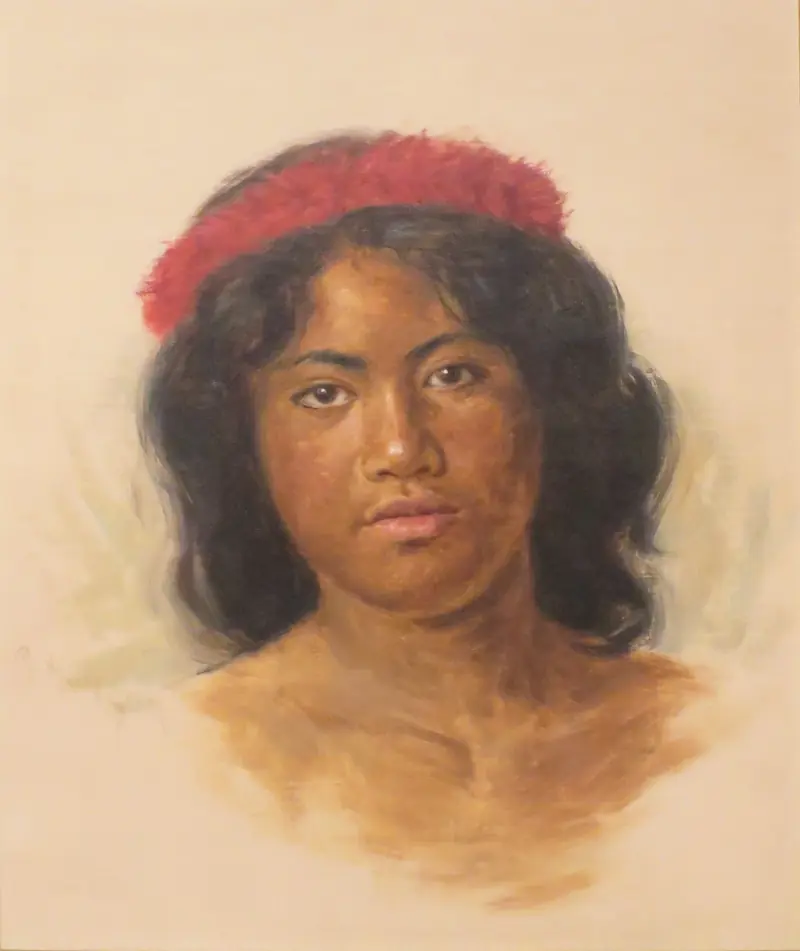
In old Hawaiʻi, lei hulu, made from thousands of tiny feathers, were worn by aliʻi (royalty) as a sign of rank. Today, feather lei are still treasured and are often worn as hat bands.
Haku lei
A haku lei is braided from flowers, ferns and greenery and worn on the head like a crown. Haku lei are popular for weddings, graduations, hula and celebrations.
The official lei of each island
Each of the main Hawaiian islands has its own lei, celebrated on Lei Day every May 1:
- Maui: lokelani, a pink rose
- Oʻahu: ʻilima, a golden blossom
- Hawaiʻi Island: lehua, the red blossom of the ʻōhiʻa tree
- Kauaʻi: mokihana berries
- Molokaʻi: kukui
- Lānaʻi: kaunaʻoa
- Kahoʻolawe: hinahina
- Niʻihau: pūpū (shells)
How to choose the right lei
- For an airport greeting: an orchid lei is colorful, light and long-lasting, which suits a traveler. A multi-flower lei makes the welcome feel even more special.
- For a wedding: pikake, tuberose or orchid for the bride, and maile or kukui nut for the groom. See our wedding and group lei greetings.
- For men: maile, ti leaf and kukui nut lei are popular choices.
- For someone with allergies: kukui nut or shell lei.
- For a keepsake: kukui nut, shell or feather lei last for years.
However you choose, it’s customary to accept a lei graciously, wear it draped over your shoulders, and avoid removing it in front of the person who gave it. Read more about lei etiquette and traditions.
Frequently asked questions
What is the most popular lei in Hawaiʻi?
Orchid and plumeria lei are among the most popular. Orchid lei are especially common for airport greetings because they’re colorful, sturdy and last for several days.
What lei is best for a man?
Maile, ti leaf and kukui nut lei are popular choices for men, and they’re traditional for grooms and graduates.
What is Maui’s official lei?
Maui’s official lei is the lokelani, a pink rose.
Which lei lasts the longest?
Kukui nut, shell and feather lei last for years. Among fresh flowers, orchid lei usually last the longest, often several days with care.




.jpg)

.jpg)


.jpg)
Unfinished_portrait_on_canvas,_1901.jpg)